
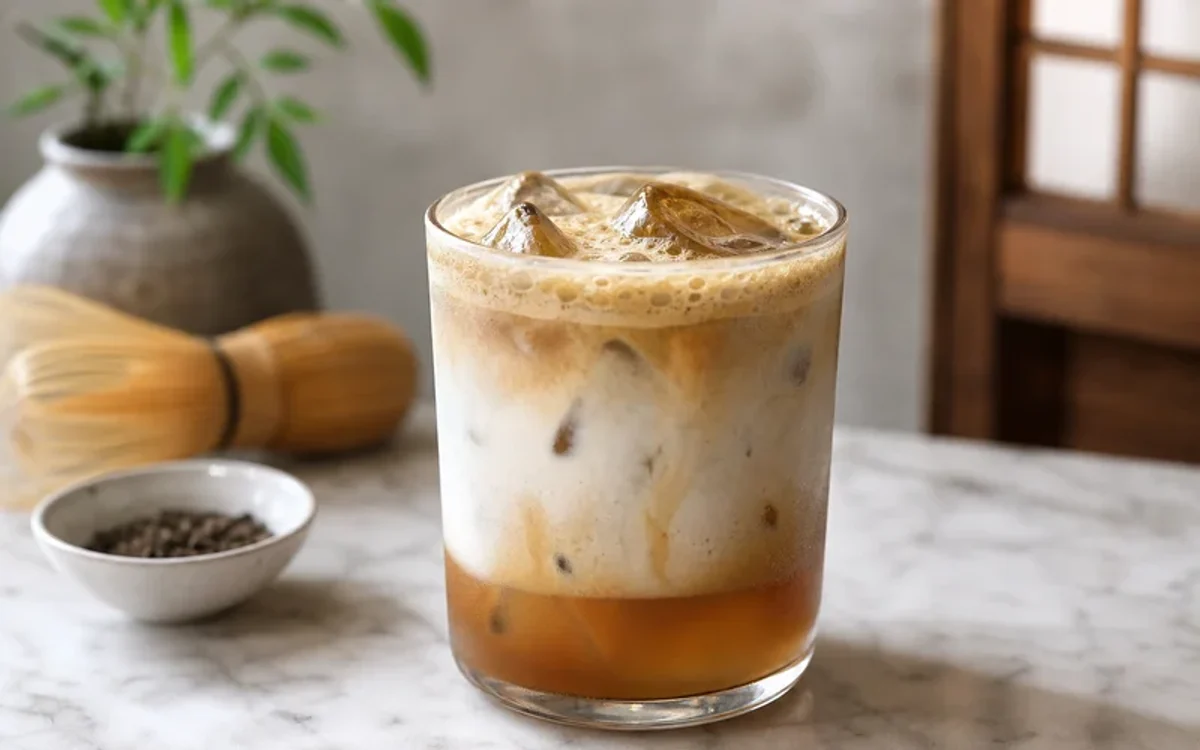
Roasted, caramel-nutty, and quietly caffeinated — the hojicha latte is the drink search breakout of 2026. Where matcha leans grassy and bright, hojicha (roasted Japanese green tea) delivers a toasty, almost dessert-like profile that feels indulgent without the sugar crash of a café frappe.
RECIPE CARD
Hojicha Latte Recipe (Hot and Iced)
Ingredients
- 2 teaspoons (4 g) culinary-grade hojicha powder
- 3 tablespoons (45 ml) hot water at 175°F (80°C)
- 3/4 cup (180 ml) milk of choice (oat milk recommended)
- 1 to 2 teaspoons maple syrup, honey, or simple syrup (optional)
- 2 1/2 teaspoons (5 g) hojicha powder
- 3/4 cup (180 ml) cold milk
- Ice to fill a 12- to 16-oz glass
- 1 to 2 teaspoons sweetener (optional)
Quick Method
Condensed overview. Use Full Instructions for the complete method, timing and doneness details.
- Sift the hojicha powder (30 seconds): Place hojicha powder in a fine mesh strainer over a small bowl or matcha bowl (katakuchi). Sift to break up clumps — this step…
- Tip: If you only have hojicha tea leaves, grind 1 tablespoon of leaves in a spice grinder until fine powder forms.
- Whisk the hojicha concentrate (1 minute): Heat water to 175°F (80°C) — not boiling. Boiling water scorches hojicha and brings out bitterness. Pour hot water over the sifted powder and…
- Tip: No thermometer? Boil water, then let it sit 2 minutes to reach roughly 175°F.
- Steam or froth the milk (3 minutes): For hot lattes, heat milk to 140°F (65°C) in a saucepan or microwave — do not boil. Froth with a handheld milk frother for…
- Tip: No frother? Shake warm milk vigorously in a jar for 20 seconds — you'll get lighter foam but the flavor stays excellent.
- Build the hot latte (1 minute): Stir sweetener into the hojicha concentrate if using. Pour concentrate into a mug, then add frothed milk. Hold back foam with a spoon and…
- Build the iced latte (2 minutes): Whisk hojicha concentrate as above, then let it cool to room temperature (or place the bowl in an ice bath for 1 minute). Fill…
- Tip: Use slightly more powder for iced versions — cold milk dilutes flavor faster than steamed milk.
- Garnish and serve: Dust the top with a tiny pinch of hojicha powder, add a cinnamon stick for autumn versions, or drizzle maple syrup over iced lattes…
Google’s Summergeist 2026 report ranks hojicha among the fastest-rising summer sips alongside horchata and chilled coffee drinks, with hojicha latte searches hitting all-time highs as home baristas trade basic green tea for something warmer and more photogenic. Pinterest’s café-at-home trend reinforces the same pull: drinks that look styled in a glass and require minimal equipment.
Pair this drink with our black sesame ice cream for a Japanese-inspired dessert spread, or serve alongside easy zucchini bread at a relaxed brunch. For more summer entertaining, browse cozy backyard party ideas for summer nights.
At a Glance
- Prep time: 5 minutes
- Cook time: 5 minutes (steaming milk)
- Total time: 10 minutes
- Yield: 1 latte (easily doubled)
- Best for: morning rituals, afternoon pick-me-ups, and iced summer sipping into early fall
- Equipment: fine mesh strainer, whisk or milk frother, small saucepan or microwave
- Caffeine: low — hojicha has roughly one-third the caffeine of matcha
- Flavor profile: toasty, nutty, lightly sweet, with subtle caramel notes
Recipe Snapshot
- Base: culinary-grade hojicha powder whisked into hot water
- Signature note: roasted green tea with natural caramel depth
- Texture: silky, lightly frothy, hot or over ice
- Best milk: oat or barista-blend milk for natural sweetness and foam
- Make-ahead: brew hojicha concentrate up to 24 hours ahead for iced versions
Why Hojicha Lattes Are Trending in 2026
Matcha dominated café menus for years, but search data shows drinkers craving something softer and more comforting. Google’s Summergeist 2026 report lists hojicha lattes among the most searched summer drinks, with interest surging since late 2025 and accelerating through summer into early autumn.
The appeal is practical and sensory. Hojicha reads warm and nutty rather than vegetal — a flavor profile that converts people who find matcha too grassy. It photographs beautifully in both ceramic mugs and clear iced glasses, which matters when Pinterest users save café-style drinks they can replicate at home without an espresso machine.
Low caffeine is another draw. Hojicha contains significantly less caffeine than matcha because roasting reduces stimulant levels, making it a popular afternoon or evening option when coffee feels too intense but plain herbal tea feels too flat.
Hojicha Latte Ingredients
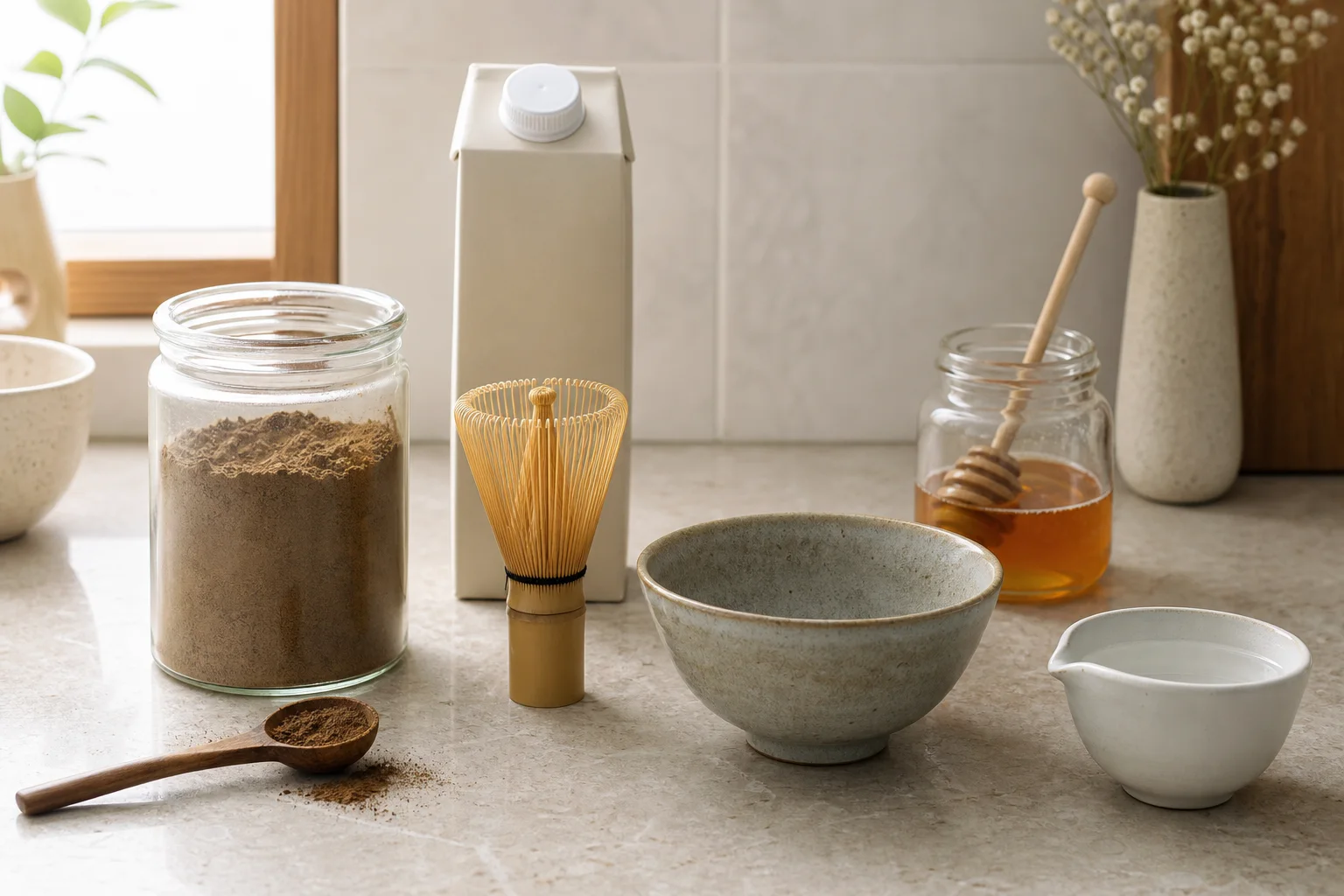
For One Hot Hojicha Latte
- 2 teaspoons (4 g) culinary-grade hojicha powder
- 3 tablespoons (45 ml) hot water at 175°F (80°C)
- 3/4 cup (180 ml) milk of choice (oat milk recommended)
- 1 to 2 teaspoons maple syrup, honey, or simple syrup (optional)
For One Iced Hojicha Latte
- 2 1/2 teaspoons (5 g) hojicha powder
- 3 tablespoons (45 ml) hot water at 175°F (80°C)
- 3/4 cup (180 ml) cold milk
- Ice to fill a 12- to 16-oz glass
- 1 to 2 teaspoons sweetener (optional)
How to Make a Hojicha Latte
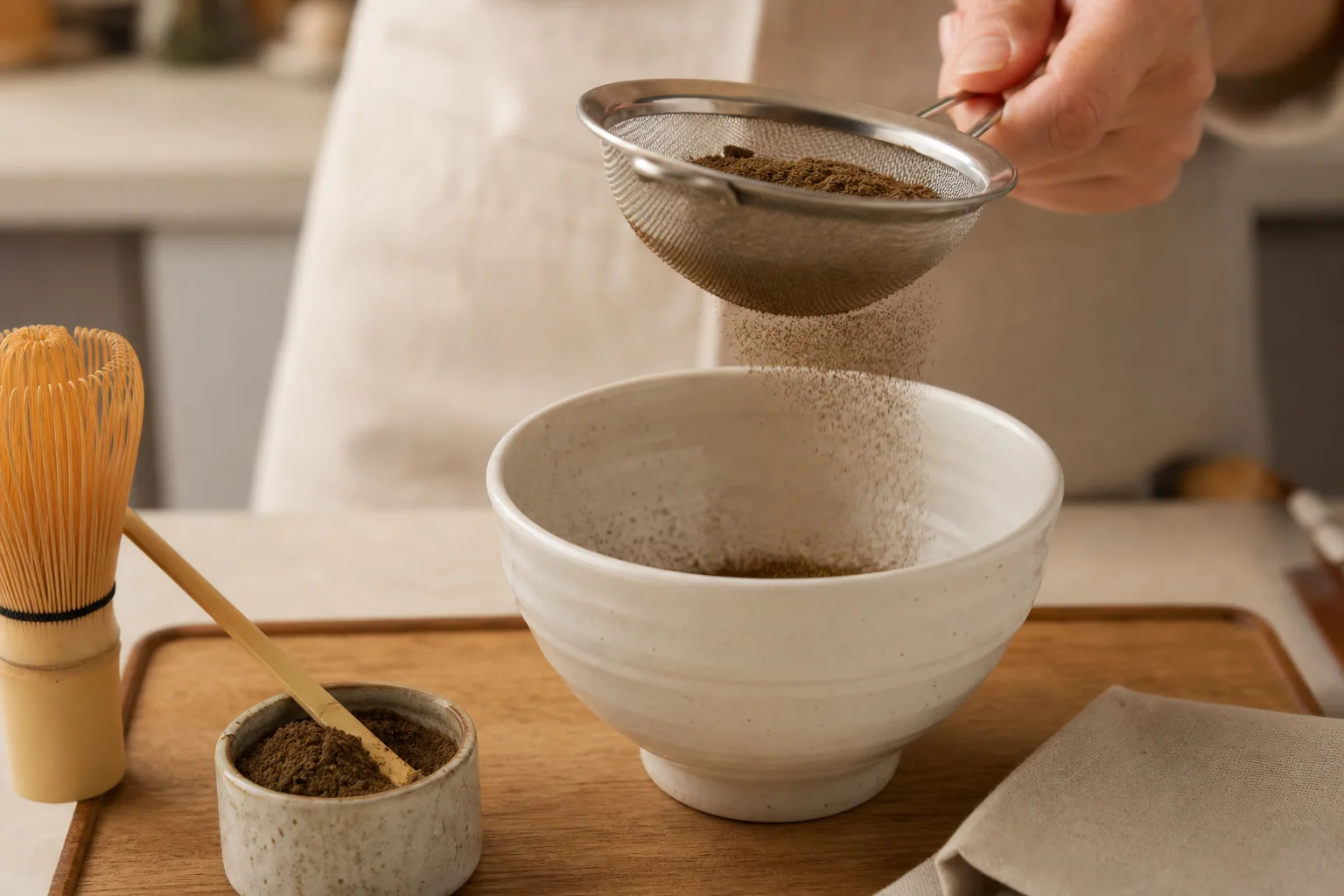
1. Sift the hojicha powder (30 seconds)
Place hojicha powder in a fine mesh strainer over a small bowl or matcha bowl (katakuchi). Sift to break up clumps — this step prevents grainy texture in the finished latte. Clumpy powder is the number-one reason homemade hojicha lattes taste gritty.
Tip: If you only have hojicha tea leaves, grind 1 tablespoon of leaves in a spice grinder until fine powder forms.
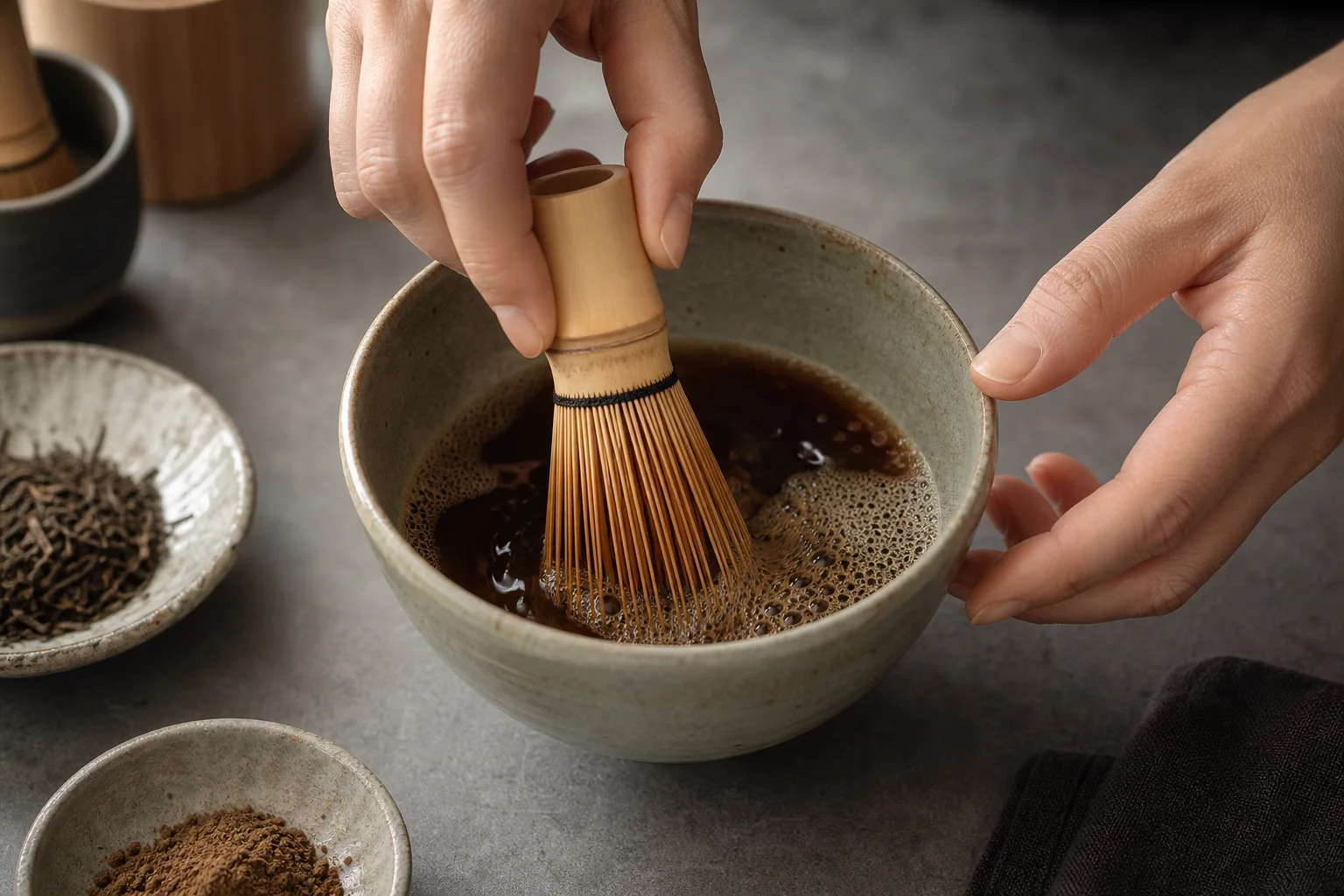
2. Whisk the hojicha concentrate (1 minute)
Heat water to 175°F (80°C) — not boiling. Boiling water scorches hojicha and brings out bitterness. Pour hot water over the sifted powder and whisk vigorously in a W or M pattern until fully dissolved and slightly frothy, about 30 to 45 seconds. A bamboo whisk (chasen) works best; a small regular whisk or milk frother held at the surface also works.
Tip: No thermometer? Boil water, then let it sit 2 minutes to reach roughly 175°F.
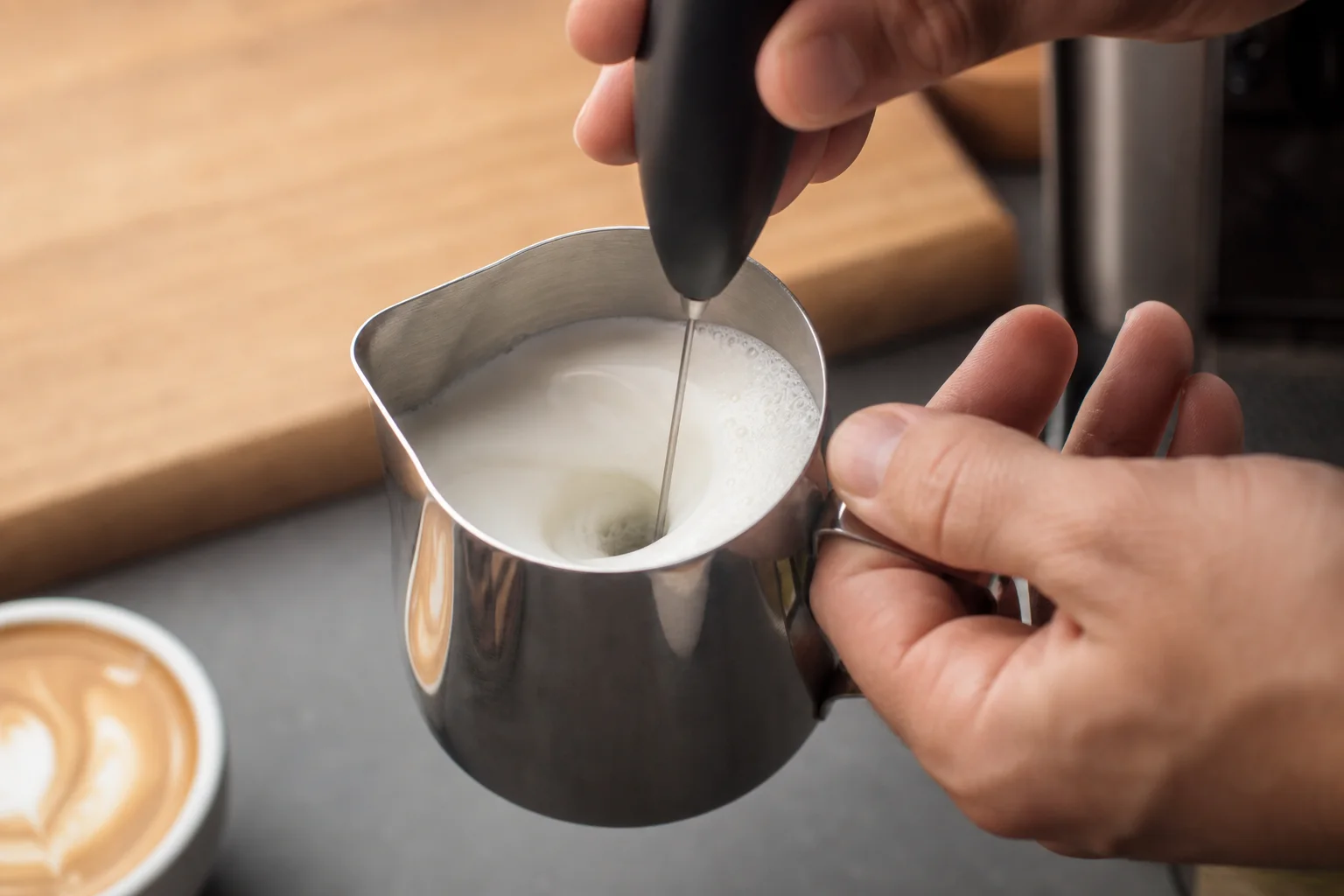
3. Steam or froth the milk (3 minutes)
For hot lattes, heat milk to 140°F (65°C) in a saucepan or microwave — do not boil. Froth with a handheld milk frother for 10 to 15 seconds until foamy. Oat barista milk produces the creamiest foam and natural sweetness that complements hojicha’s roasted notes.
Tip: No frother? Shake warm milk vigorously in a jar for 20 seconds — you’ll get lighter foam but the flavor stays excellent.
4. Build the hot latte (1 minute)
Stir sweetener into the hojicha concentrate if using. Pour concentrate into a mug, then add frothed milk. Hold back foam with a spoon and spoon it on top for a layered look. Serve immediately while hot.
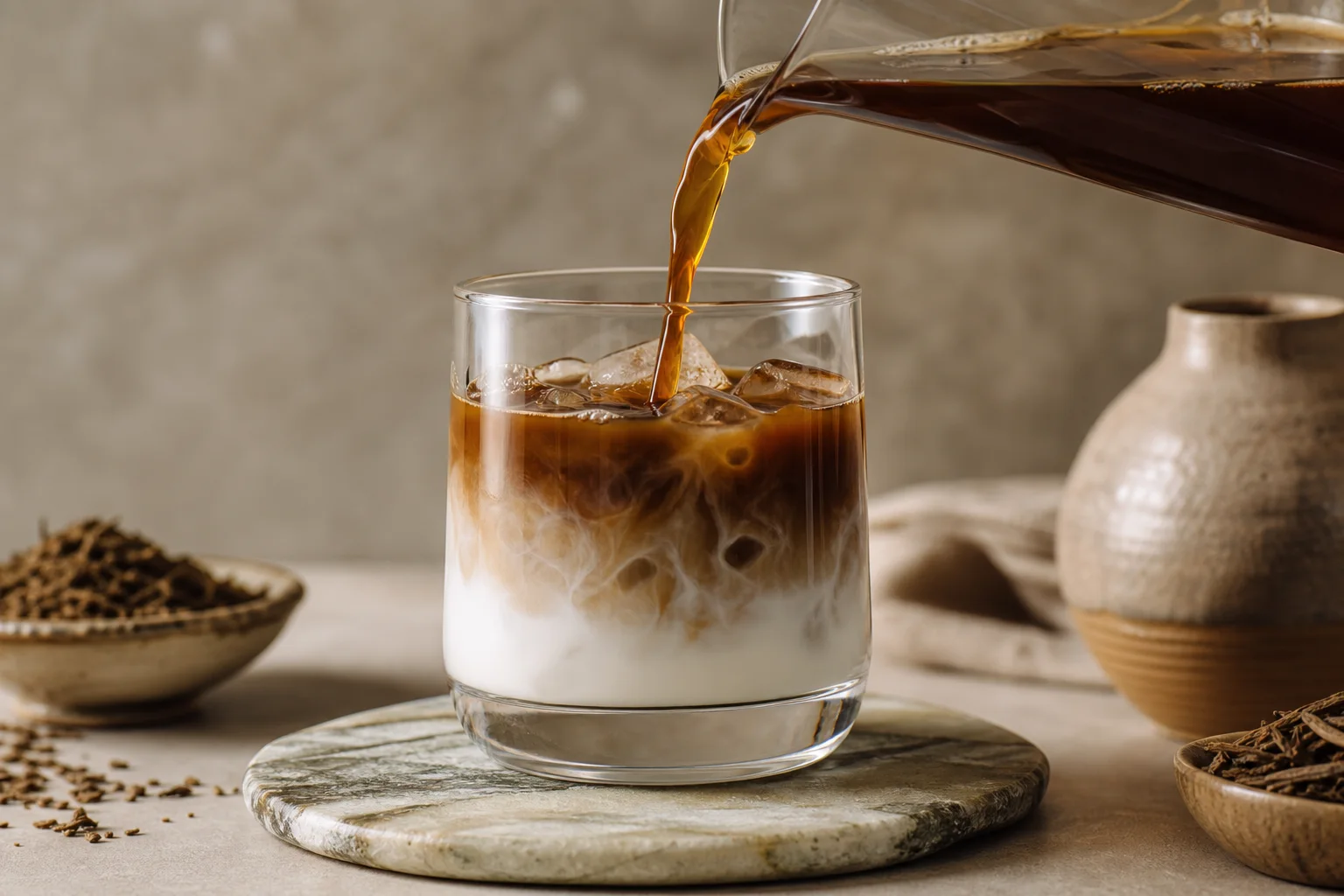
5. Build the iced latte (2 minutes)
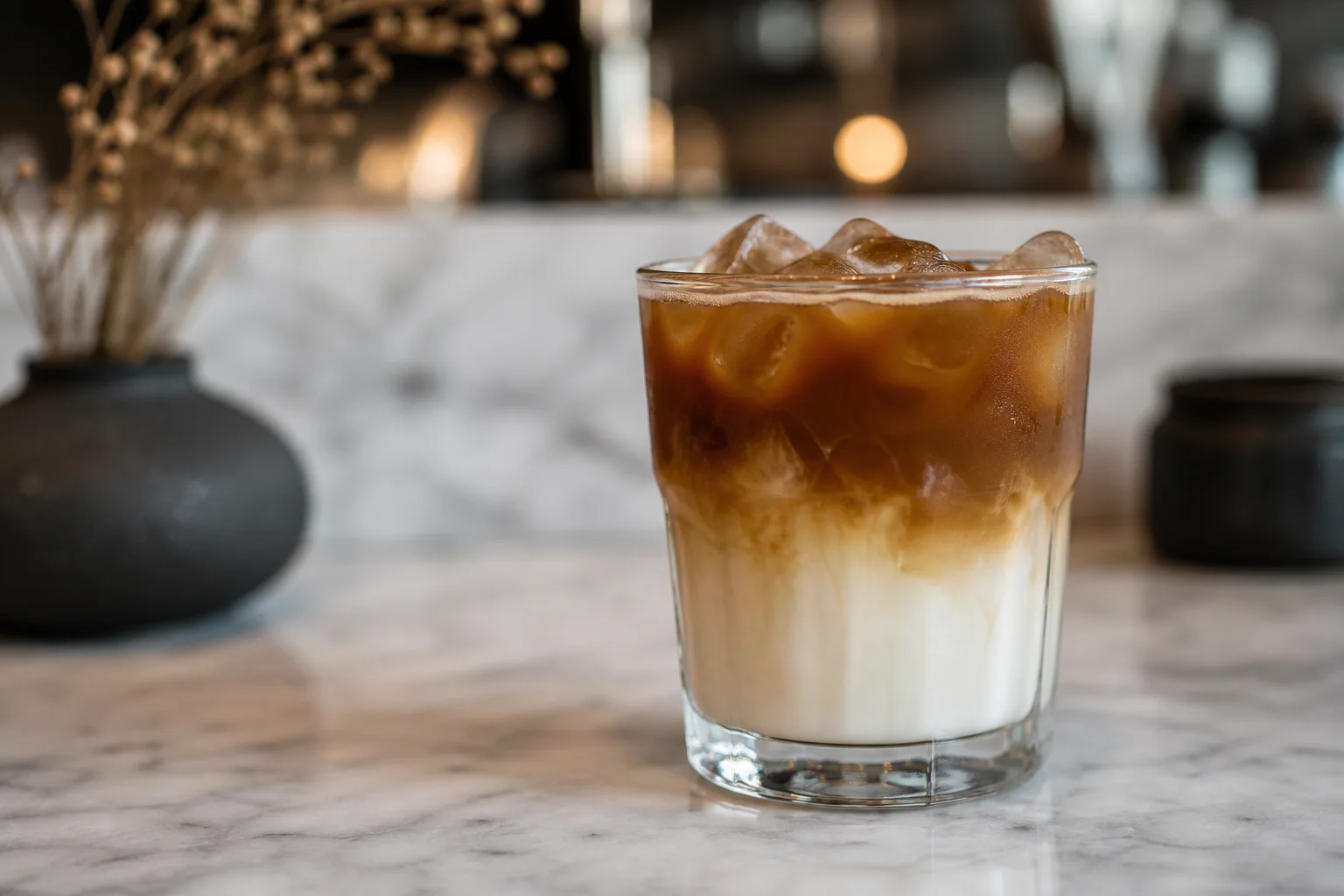
Whisk hojicha concentrate as above, then let it cool to room temperature (or place the bowl in an ice bath for 1 minute). Fill a tall glass with ice, pour in cold milk, then slowly pour cooled hojicha concentrate over the back of a spoon for a layered effect. Stir before drinking.
Tip: Use slightly more powder for iced versions — cold milk dilutes flavor faster than steamed milk.
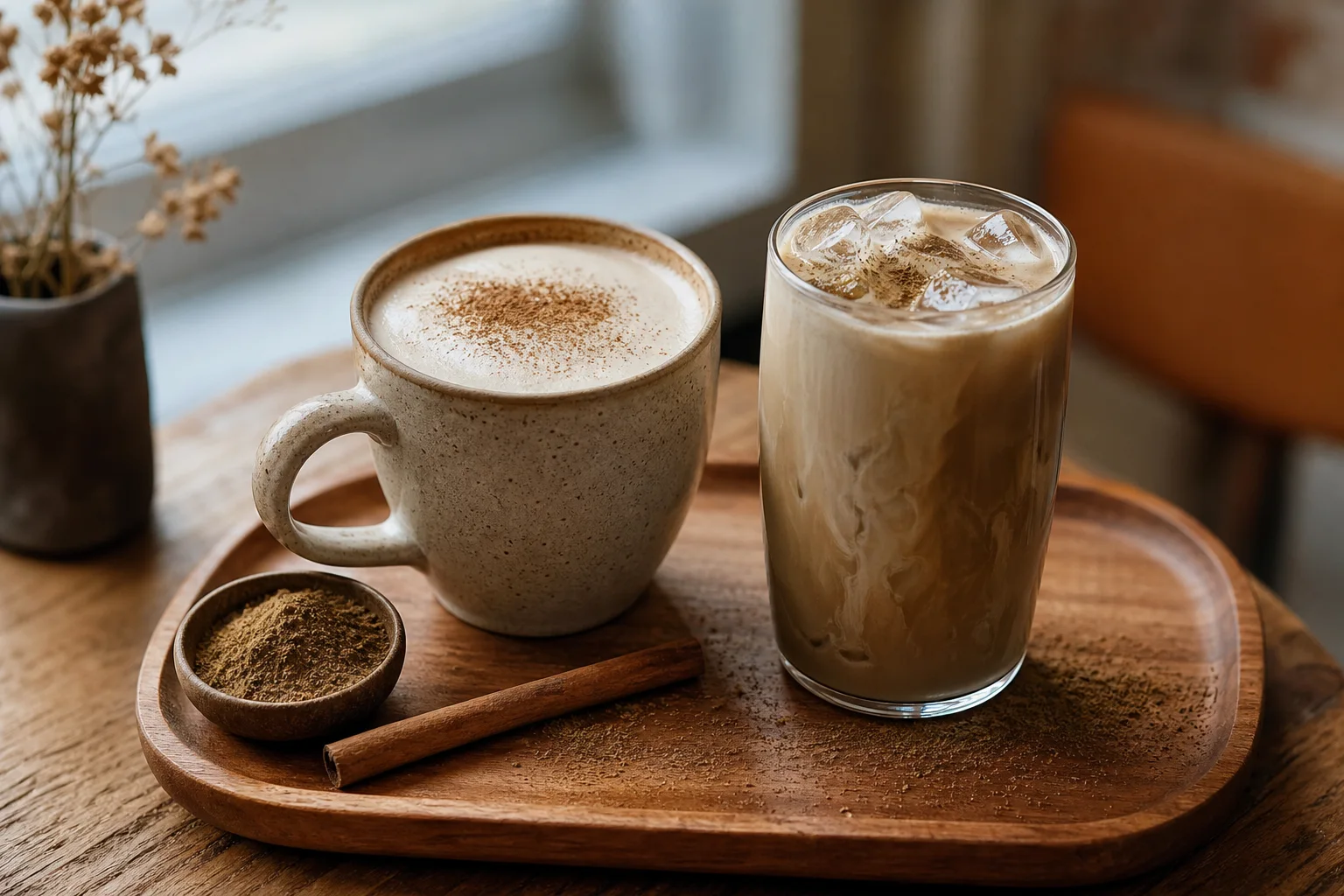
6. Garnish and serve
Dust the top with a tiny pinch of hojicha powder, add a cinnamon stick for autumn versions, or drizzle maple syrup over iced lattes for extra visual appeal. A clear glass shows off the amber-to-cream gradient that makes this drink Pinterest-ready.
Tips for the Best Hojicha Latte
- Never use boiling water. 175°F (80°C) extracts toasty flavor without bitterness.
- Sift every time. Even high-quality powder clumps in humid kitchens.
- Choose oat milk. Barista-blend oat milk froths well and adds subtle sweetness.
- Adjust sweetness slowly. Hojicha has natural caramel notes — start with 1 teaspoon sweetener.
- Cool concentrate for iced. Pouring hot concentrate over ice melts everything and dilutes flavor.
- Store powder airtight. Hojicha powder loses aroma when exposed to air and light.
Hojicha Latte Variations
Add 1/4 teaspoon vanilla extract to the concentrate for a softer, dessert-like profile. Swirl in a teaspoon of black sesame paste for a trending Japanese fusion latte. For a fall twist, use brown sugar and a pinch of cinnamon in the concentrate.
Building a full drink menu? Pair with our Hugo spritz for an evening patio spread, or add frozen strawberry lemonade slush for guests who want something non-caffeinated and frosty.
Serving Ideas
- Morning ritual replacement for coffee on low-caffeine days.
- Brunch companion alongside no-bake strawberry cheesecake.
- Iced version for afternoon heat — serve in clear glasses for maximum visual impact.
- Pre-batch concentrate for a DIY latte bar at small gatherings.
- Autumn version with maple syrup and cinnamon for early fall transitions.
Make-Ahead Checklist
- Sift hojicha powder into an airtight container for faster daily prep.
- Brew hojicha concentrate up to 24 hours ahead; refrigerate for iced lattes.
- Pre-mix dry hojicha powder with cinnamon or vanilla powder for fall batches.
- Keep oat milk chilled and ready — cold milk is essential for iced versions.
- Pre-warm mugs for hot lattes to maintain temperature longer.
- Store unused hojicha powder in the freezer to preserve roasted aroma.
Frequently Asked Questions
What is hojicha?
Hojicha is a Japanese roasted green tea made from bancha or sencha leaves roasted at high heat until they turn reddish-brown. The roasting process reduces caffeine and creates a toasty, nutty, caramel-like flavor distinct from grassy matcha.
What is the difference between hojicha and matcha?
Matcha is shade-grown, stone-ground green tea with a bright, vegetal flavor and higher caffeine. Hojicha is roasted green tea with a toasty, nutty profile and roughly one-third the caffeine. Hojicha lattes taste warmer and more dessert-like than matcha lattes.
Is hojicha latte caffeinated?
Yes, but lightly. A typical hojicha latte contains about 7 to 15 mg of caffeine compared to 30 to 70 mg in matcha or 95 mg in coffee. Many people drink hojicha lattes in the afternoon or evening without sleep disruption.
Can I make a hojicha latte without a whisk?
Yes. Use a small regular whisk, a milk frother, or shake the powder and hot water vigorously in a jar. Sifting the powder first is more important than the whisk type for smooth texture.
Why is hojicha latte trending in 2026?
Google’s Summergeist 2026 report lists hojicha among the fastest-rising drink searches as consumers seek café-style beverages with lower caffeine and more comforting flavor profiles than matcha or coffee.
What milk is best for hojicha latte?
Barista-blend oat milk is the top choice for froth and natural sweetness. Whole dairy milk works well for hot versions. Avoid very thin almond milk — it produces flat foam and can taste watery against hojicha’s rich notes.
Can I use hojicha tea bags instead of powder?
Tea bags work for drinking hojicha straight but produce weak latte concentrate. For café-style lattes, culinary-grade hojicha powder delivers the intensity and smooth texture that make the drink trend-worthy.
When you want a drink that feels current, comforting, and genuinely different from the matcha-and-coffee rotation, the hojicha latte delivers. Sift the powder, respect the water temperature, and pour with intention — your kitchen becomes the café everyone’s searching for in 2026.
For more seasonal inspiration, explore our easy lemon garlic orzo for a bright lunch, or plan your next gathering with cozy backyard party ideas for summer nights.