
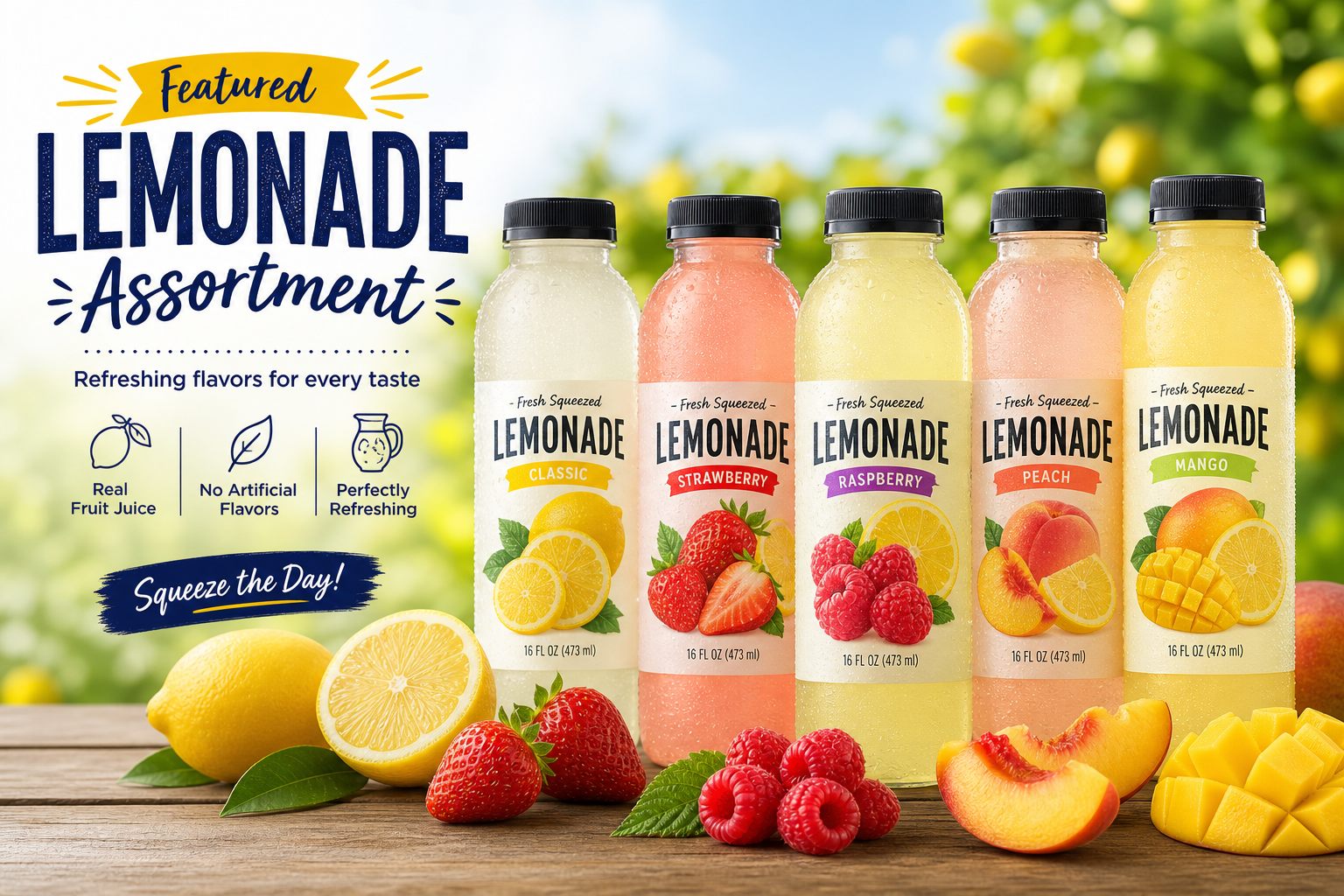
Homemade lemonade is the ultimate summer crowd-pleaser. A good batch tastes brighter, fresher, and less syrupy than most store-bought options, and you can customize sweetness, tartness, and flavor in minutes. These eight homemade lemonade varieties cover classic citrus, herb-infused blends, fruit-forward pitchers, and a frozen slush for the hottest afternoons.
Whether you are planning a backyard barbecue, packing a picnic, or just want something cold in the fridge, each recipe below uses simple ingredients and clear steps. For more warm-weather inspiration, browse our refreshing summer drink recipes and summer hydration tips.
Classic Old-Fashioned Lemonade
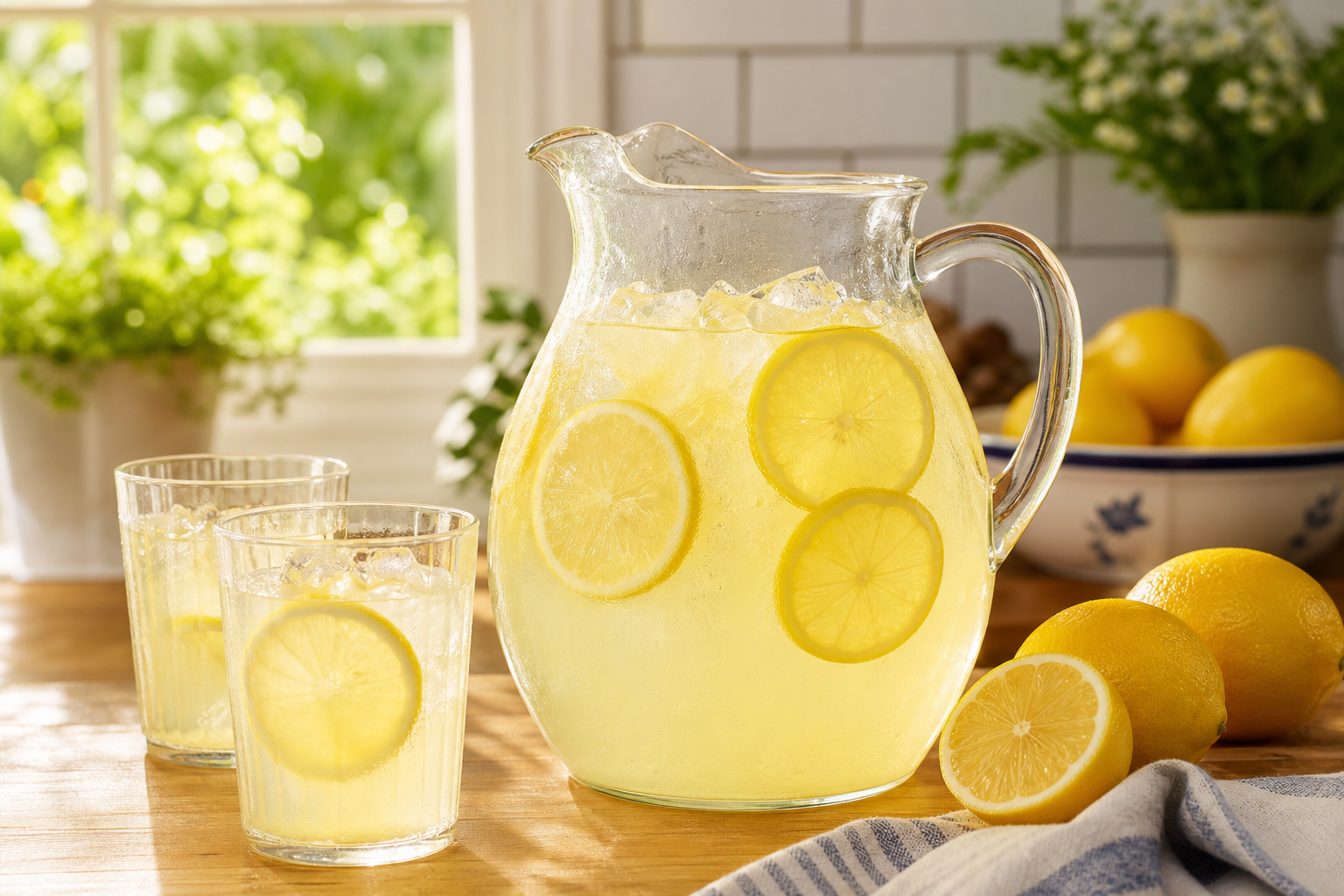
This is the baseline every other variation builds on. Freshly squeezed lemon juice, simple syrup, and cold water create a balanced drink that tastes clean and bright without artificial flavor.
- 1 cup fresh lemon juice (about 6 to 8 lemons)
- 1 cup granulated sugar dissolved in 1 cup warm water
- 4 cups cold water
- Ice and lemon wheels for serving
Tip: Roll lemons on the counter before juicing to release more liquid and stronger citrus flavor.
Strawberry Basil Lemonade
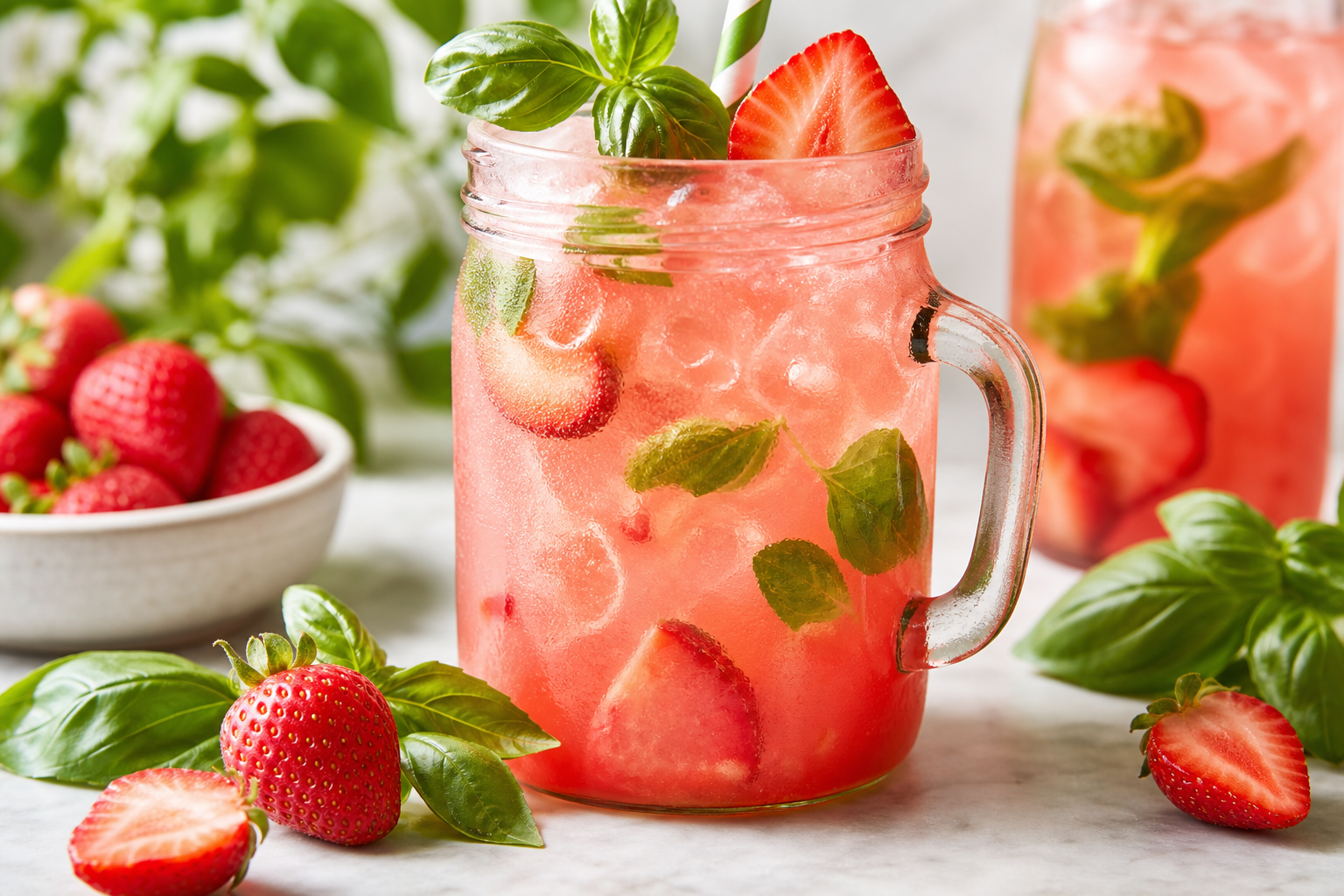
Blended strawberries add natural sweetness and color, while basil brings a savory edge that keeps the drink from tasting one-dimensional. It looks beautiful in mason jars and works well for brunch spreads.
- 1 cup fresh lemon juice
- 2 cups hulled strawberries
- 3/4 cup simple syrup
- 4 cups cold water
- Small handful fresh basil leaves
- Ice
Tip: Muddle basil gently instead of blending it so the leaves stay green and fragrant.
Lavender Honey Lemonade
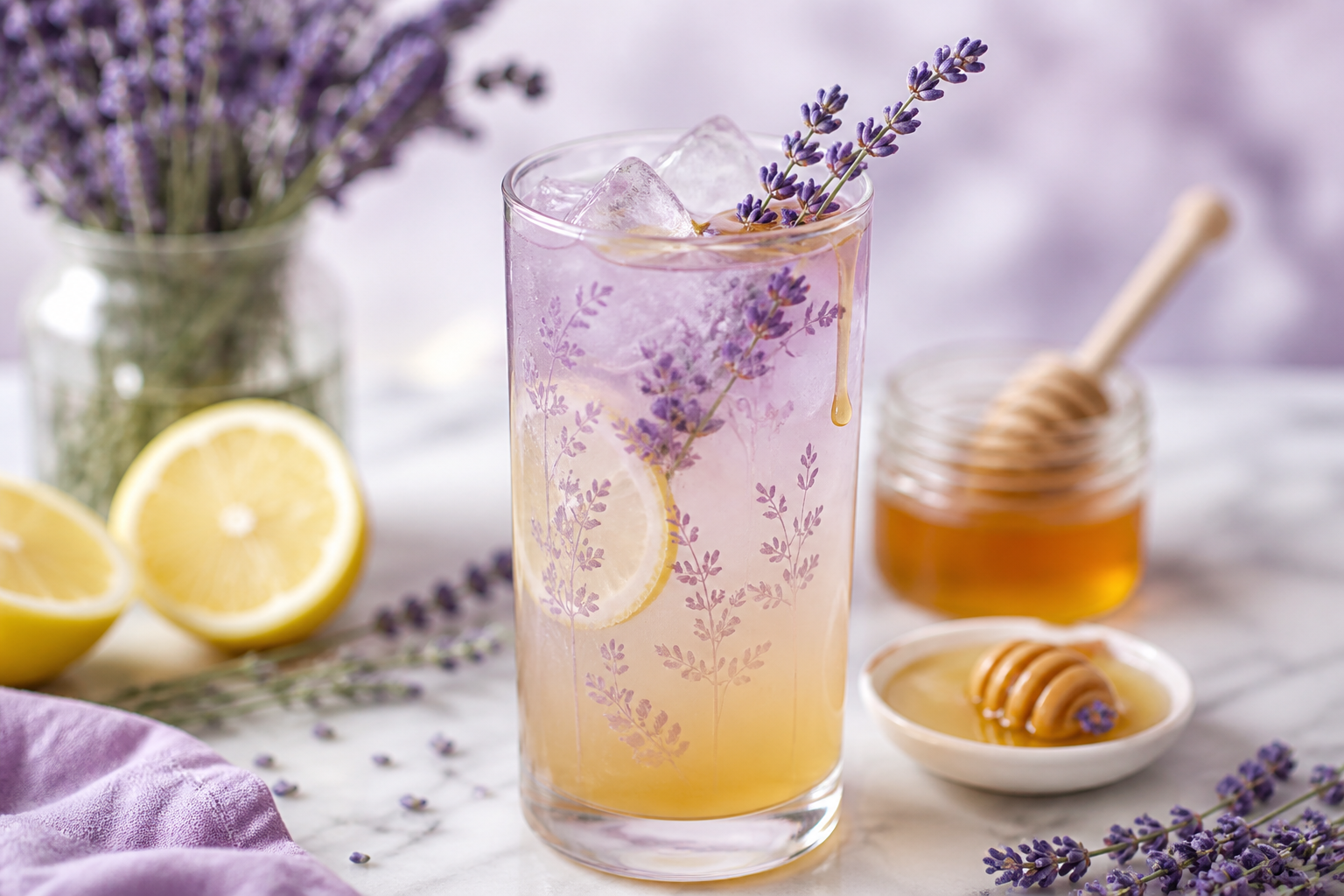
Culinary lavender and honey turn basic lemonade into an elegant summer sipper. The floral notes are subtle when used sparingly, and the honey adds depth without the sharp bite of plain sugar.
- 1 cup fresh lemon juice
- 1/3 cup honey
- 4 cups cold water
- 2 tbsp dried culinary lavender
- Ice and lavender sprigs for garnish
Tip: Steep lavender in warm water for five minutes, then strain before mixing with lemon juice.
Watermelon Mint Lemonade
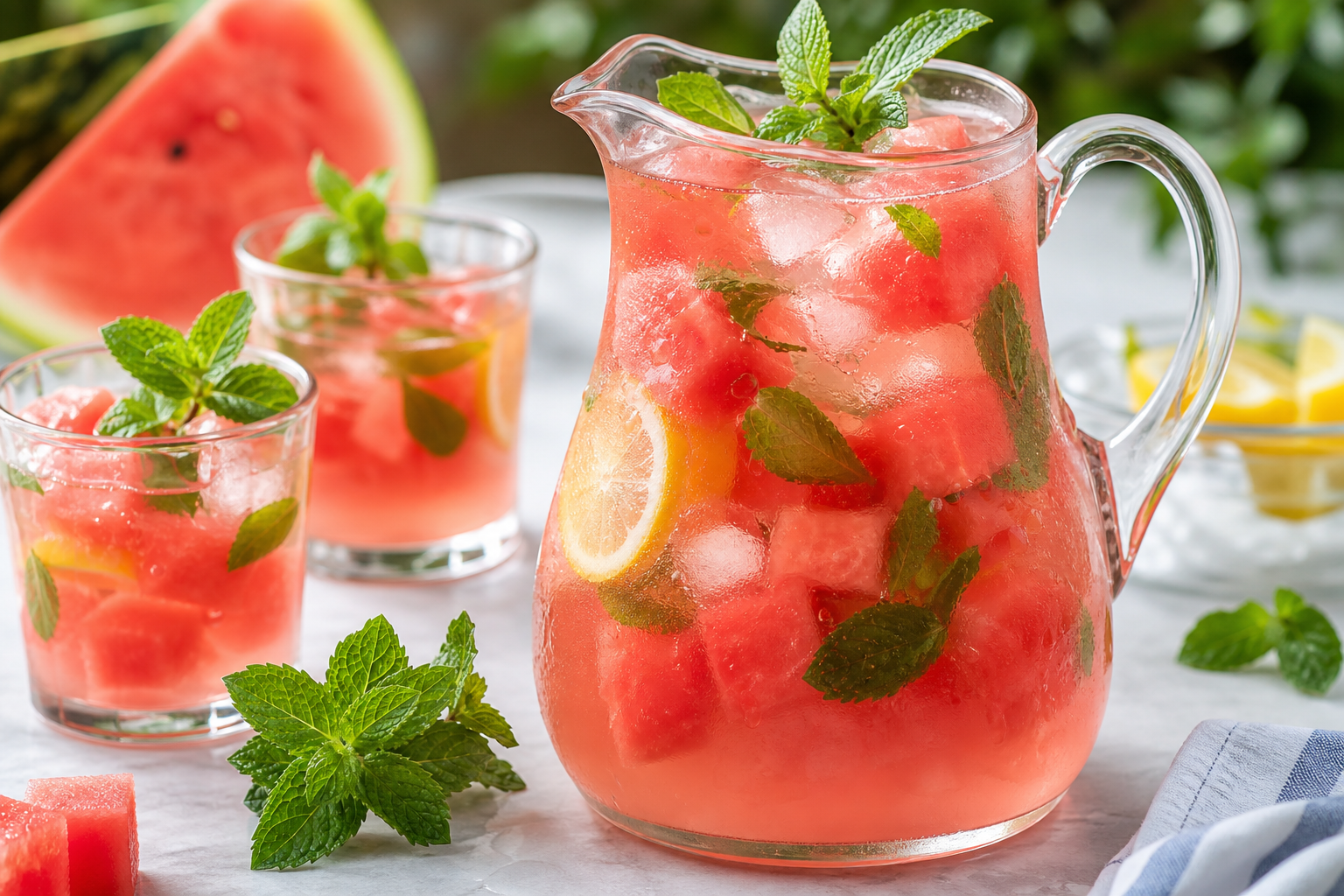
Watermelon puree naturally sweetens lemonade and gives it a blush-pink hue. Mint keeps the finish crisp, making this one of the most refreshing options for outdoor gatherings.
- 1 cup fresh lemon juice
- 3 cups seedless watermelon cubes
- 1/2 cup simple syrup
- 3 cups cold water
- Fresh mint leaves
- Ice
Tip: Chill the watermelon before blending so the pitcher stays cold longer without extra ice dilution.
Blueberry Ginger Lemonade
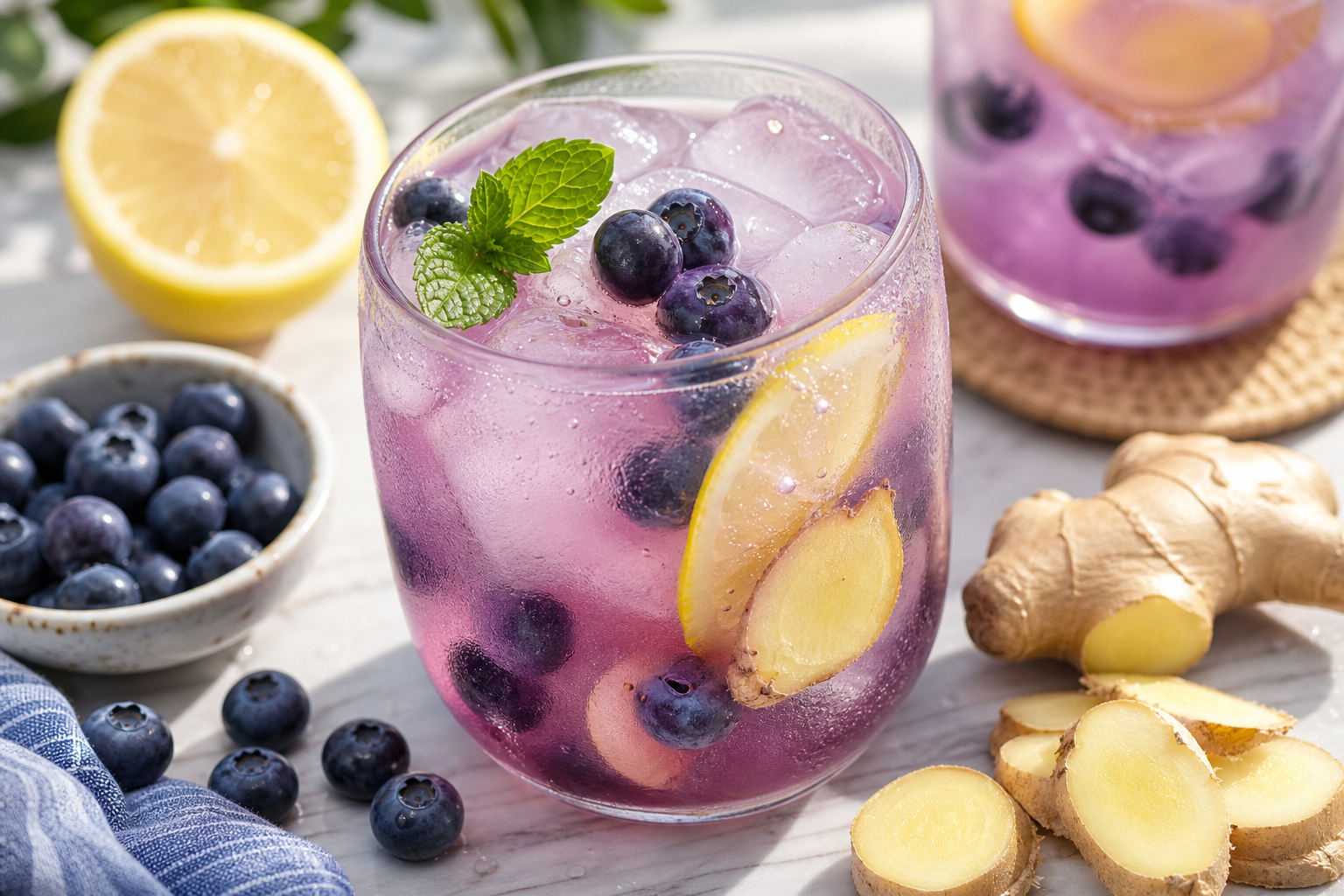
Simmered blueberries create a deep purple syrup that pairs surprisingly well with ginger. The result feels gourmet but comes together with pantry staples and one pot on the stove.
- 1 cup fresh lemon juice
- 2 cups fresh blueberries
- 1/2 cup sugar
- 1 tbsp fresh grated ginger
- 4 cups cold water
- Ice
Tip: Press blueberries through a fine mesh strainer for a smoother pour without seeds.
Peach Rosemary Lemonade
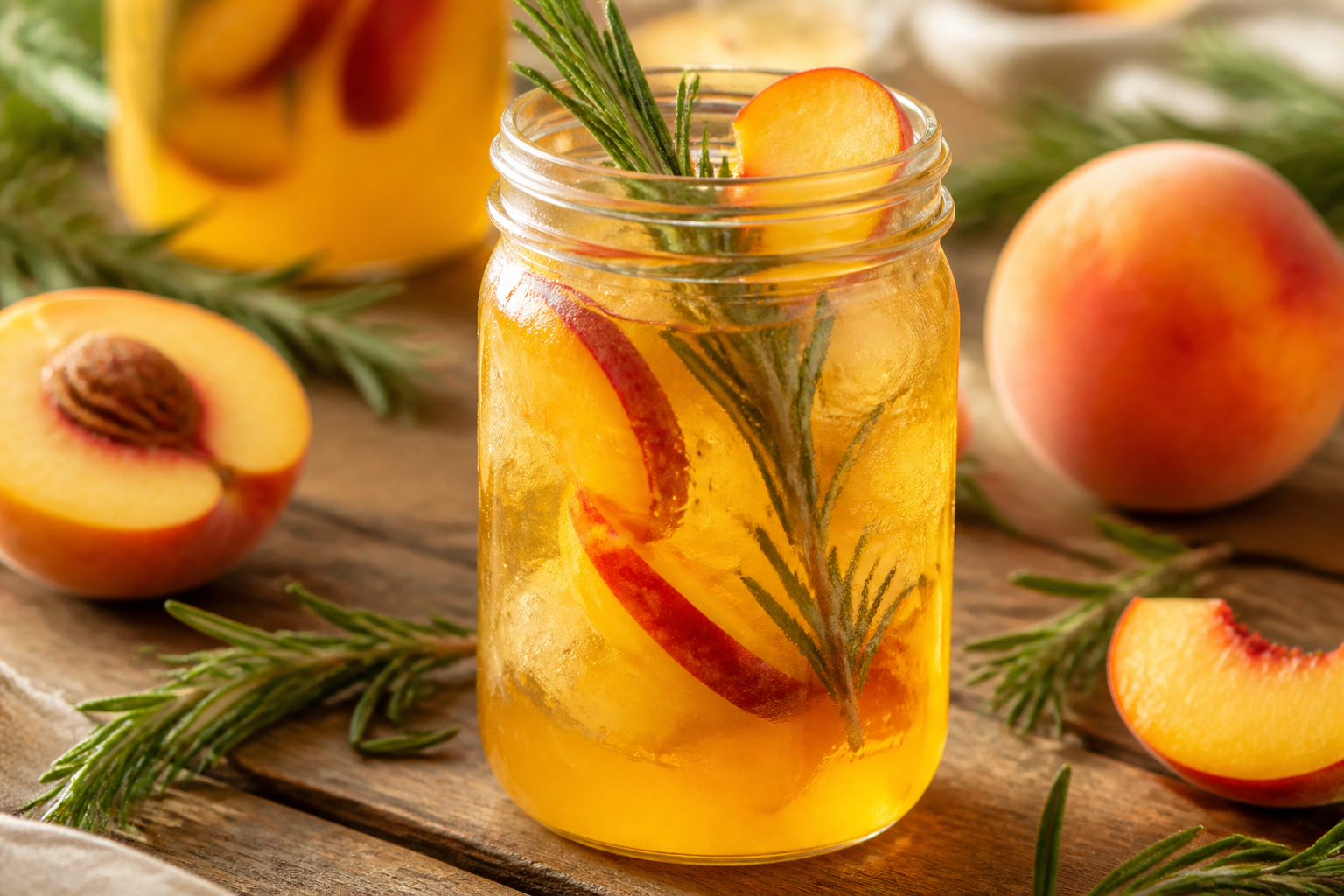
Ripe peaches and a sprig of rosemary create a lemonade that tastes like summer in a glass. The herb adds structure so the fruit sweetness never becomes cloying.
- 1 cup fresh lemon juice
- 2 ripe peaches, sliced
- 3/4 cup simple syrup
- 4 cups cold water
- 1 small rosemary sprig
- Ice and peach slices for garnish
Tip: Remove the rosemary sprig after thirty minutes of steeping to avoid overpowering the peach.
Sparkling Citrus Lemonade
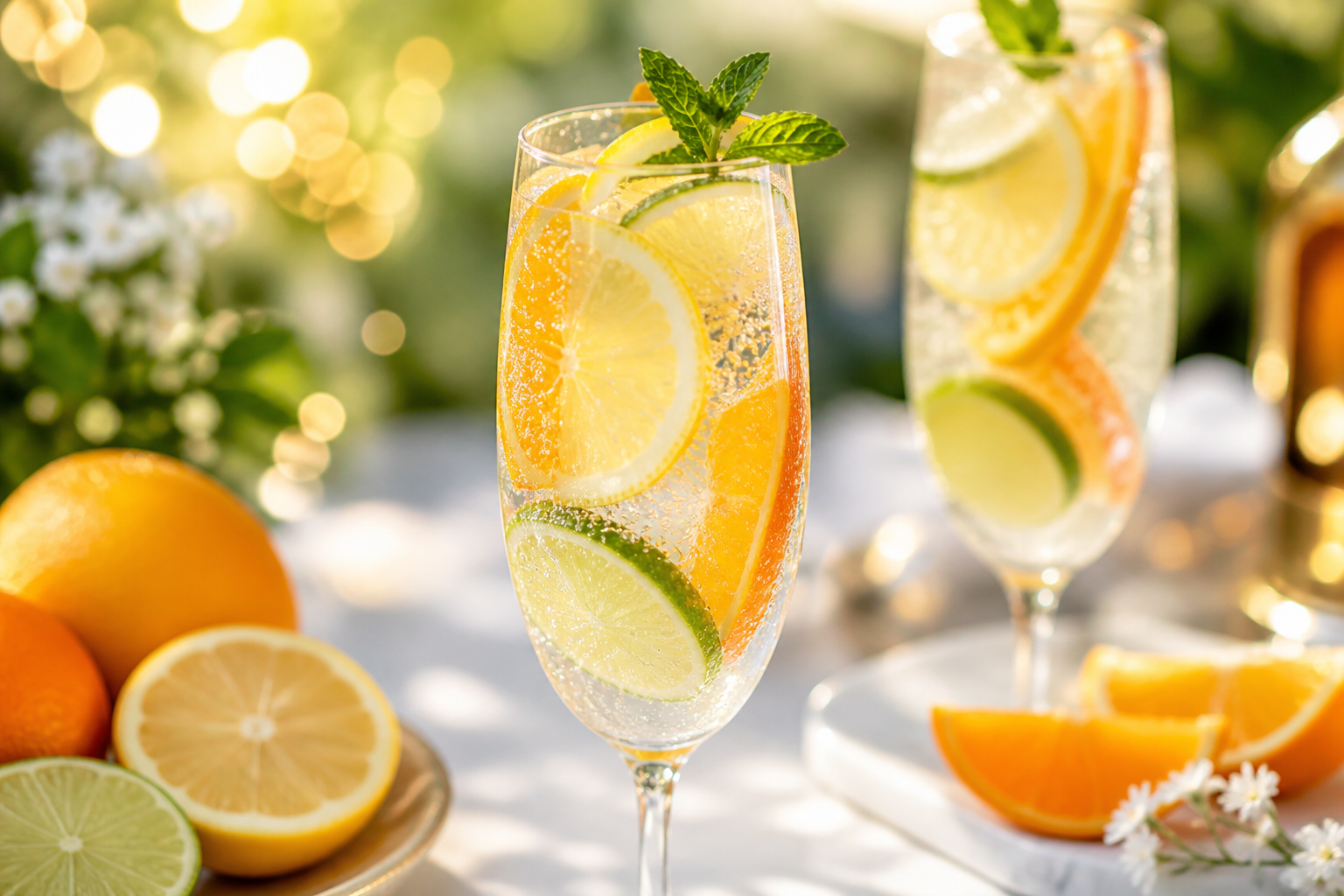
Top still lemonade with sparkling water right before serving for a light, bubbly version that feels special enough for parties. Mixed citrus slices add color and layered flavor.
- 1 cup fresh lemon juice
- 1/4 cup fresh lime juice
- 1/2 cup fresh orange juice
- 3/4 cup simple syrup
- 3 cups cold water
- 2 cups chilled sparkling water
- Ice and citrus wheels
Tip: Add sparkling water just before pouring so bubbles stay lively in the glass.
Frozen Pink Lemonade Slush
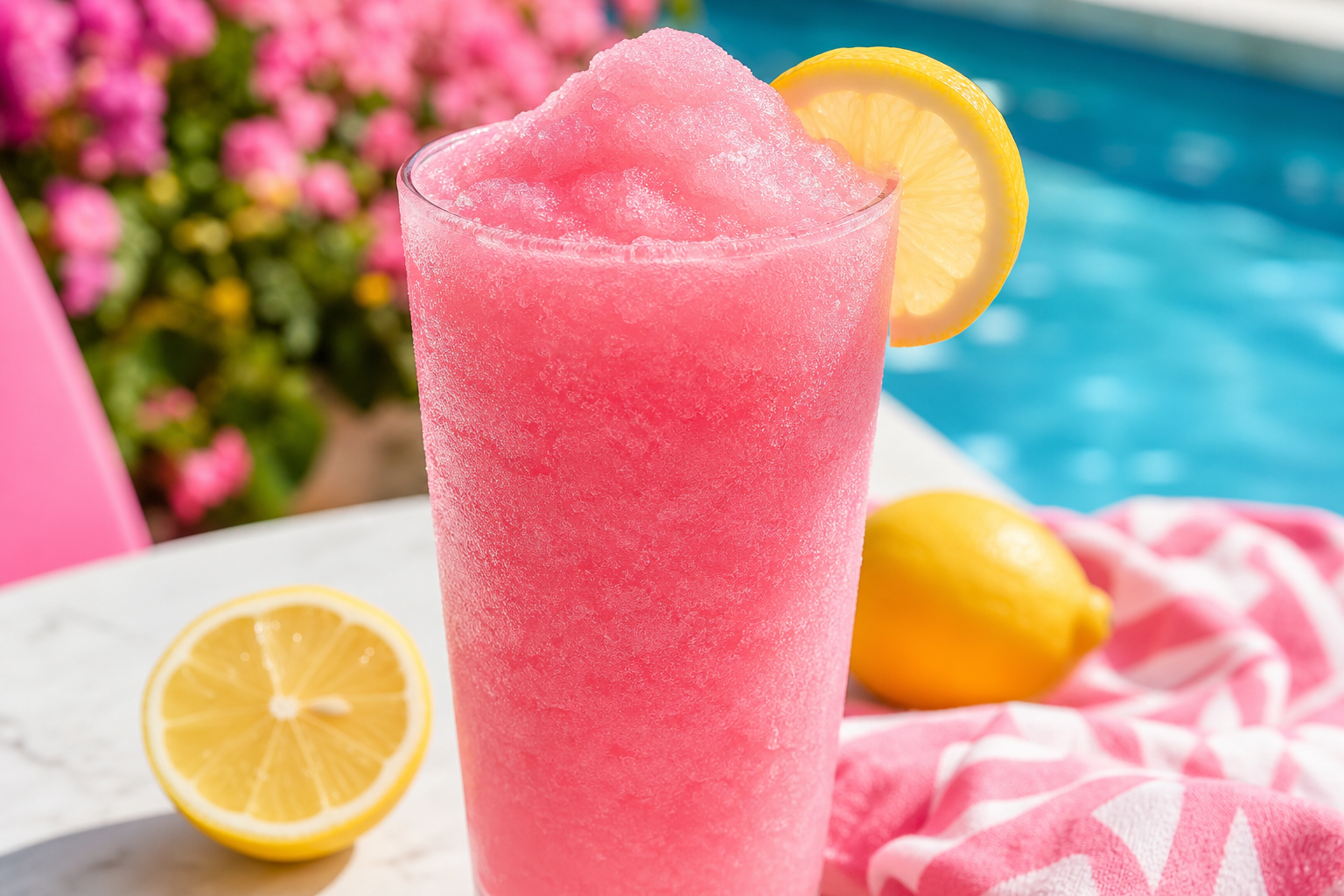
When temperatures climb, a frosty slush beats a plain pitcher. Blend lemonade with ice and a touch of grenadine or strawberry puree for a thick, spoonable treat adults and kids both love.
- 1 cup fresh lemon juice
- 3/4 cup simple syrup
- 2 cups cold water
- 3 cups ice
- 2 tbsp grenadine or 1/2 cup strawberry puree
- Lemon wedges for garnish
Tip: For a lighter texture, pulse in short bursts instead of blending continuously. Pair with our lemon ginger detox water recipe for a lighter hydration option on rest days.
How to Make Better Homemade Lemonade
Great lemonade starts with fresh lemons and balanced sweetness. Simple syrup dissolves evenly and prevents gritty sugar at the bottom of the pitcher. Taste before chilling, then adjust with extra lemon juice or water since cold dulls sweetness slightly.
For batch prep, store base lemonade in a lidded pitcher up to four days. Add fresh fruit, herbs, and sparkling components right before serving so flavors stay bright. If you prefer less sugar, start with half the syrup and sweeten to taste after chilling.
Want another classic starting point? Our homemade lemonade recipe walks through the fundamentals in detail, and our homemade iced tea recipes pair well on mixed drink tables.
Recipe Checklist
- Lemons are room temperature and rolled before juicing for maximum yield.
- Simple syrup is fully dissolved before mixing with lemon juice.
- Lemonade base is chilled at least one hour before serving.
- Fresh fruit and herbs are added after the base is cold.
- Sparkling water is added at the last minute to preserve bubbles.
- Leftover lemonade is stored in a sealed pitcher in the refrigerator.
- Garnishes are kept separate until serving to prevent wilting.
- Each batch is tasted and adjusted for tartness before guests arrive.
FAQ
What is the best ratio for homemade lemonade?
A reliable starting point is one cup lemon juice, one cup simple syrup, and four cups water. Adjust to taste based on lemon ripeness and personal sweetness preference.
How long does homemade lemonade last in the fridge?
Stored in a covered pitcher, homemade lemonade stays fresh for three to four days. Add fresh ice and garnishes when serving rather than storing them in the pitcher.
Can I make lemonade without simple syrup?
Yes. Dissolve sugar in warm water first, or blend granulated sugar with lemon juice using a blender until smooth. Simple syrup is easiest for even sweetness.
Why does my lemonade taste bitter?
Bitterness often comes from pith-heavy juicing or over-steeped herbs. Use a citrus juicer, strain pulp if needed, and remove herb sprigs after a short steep.
Can I reduce the sugar in these recipes?
Absolutely. Start with half the sweetener and add more after chilling. Ripe fruit varieties like watermelon and peach need less added sugar than classic lemonade.
Is homemade lemonade good for parties?
Yes. Make a large batch of classic base lemonade, then set out flavor add-ins like berries, mint, and sparkling water so guests can customize their glasses.
Final Thoughts
Homemade lemonade varieties give you an easy way to keep summer drinks interesting without complicated prep. Keep a classic batch in the fridge, rotate flavors through the week, and you will always have something cold, colorful, and worth pouring on repeat.