
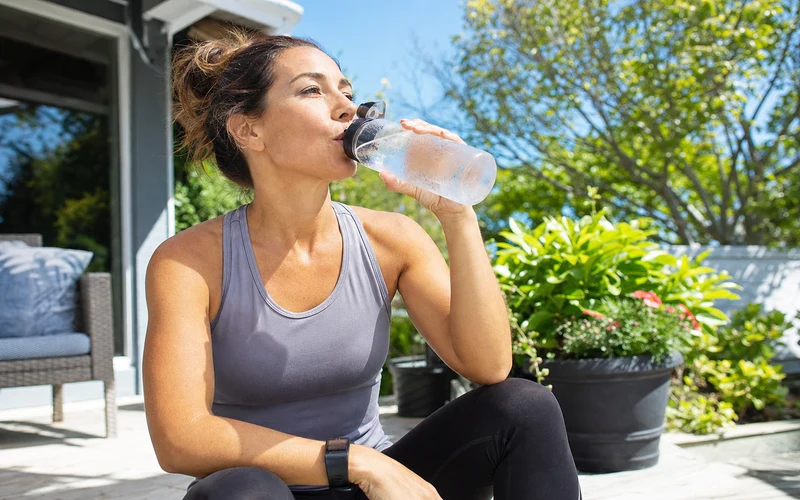
When summer temperatures climb, staying hydrated is not just a wellness trend—it is a daily safety habit. Hot weather increases sweat loss, speeds up fatigue, and makes even routine errands feel harder. Whether you are training outdoors, running errands, or spending the afternoon in the garden, the right hydration strategy helps you feel sharper, recover faster, and avoid the headaches and dizziness that come with dehydration.
This guide breaks down practical summer hydration tips you can use all season long. You will learn how much water you actually need, when electrolytes matter, how to hydrate around workouts, and which everyday habits make the biggest difference when temperatures climb.
Why Summer Hydration Matters More Than You Think
Your body relies on water for nearly every function—temperature regulation, digestion, joint lubrication, and energy production. In summer, you lose fluids faster through sweat, even when you do not feel drenched. Air conditioning, travel, and busy schedules also make it easy to forget to drink.
Dehydration does not always announce itself with extreme thirst. Early signs include dry mouth, dark urine, muscle cramps, irritability, and slower concentration. By the time you feel noticeably thirsty on a hot day, you may already be behind on fluids.
How Heat Changes Your Fluid Needs
Humidity, direct sun, altitude, and activity level all affect how much you sweat. A relaxed day at the beach can still increase fluid loss, especially if alcohol or salty snacks are in the mix. If you are exercising in the heat, your needs jump significantly—sometimes by a liter or more per hour during intense sessions.
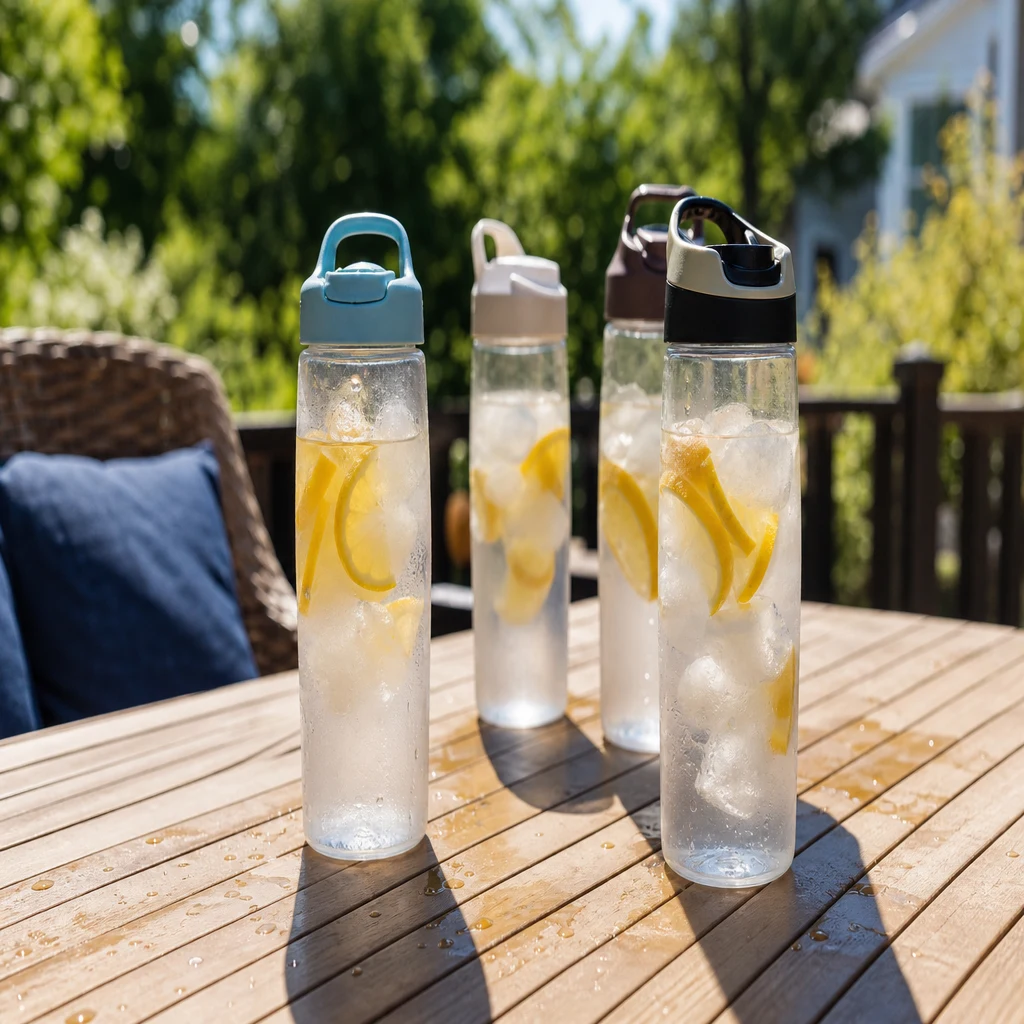
How Much Water Do You Need in Summer?
There is no single number that fits everyone, but most healthy adults benefit from a baseline of 8 to 12 cups (64 to 96 ounces) of total fluids daily. In hot weather, add extra based on sweat, activity, and time outdoors.
A simple starting point: drink a full glass of water when you wake up, sip steadily through the day, and add one to two extra cups for every hour of moderate outdoor activity. Pay attention to urine color—pale yellow usually means you are on track; dark amber suggests you need more fluids.
When Plain Water Is Enough
For short errands, desk work, and light walks under 45 minutes, water is usually all you need. Keep a bottle visible on your counter or desk so drinking becomes automatic rather than something you remember only when you feel parched.
Electrolytes: When Water Alone Is Not Enough
Electrolytes—sodium, potassium, magnesium, and others—help your body hold onto fluid and support muscle and nerve function. You lose them through sweat, especially during long workouts, yard work, or all-day outdoor events.
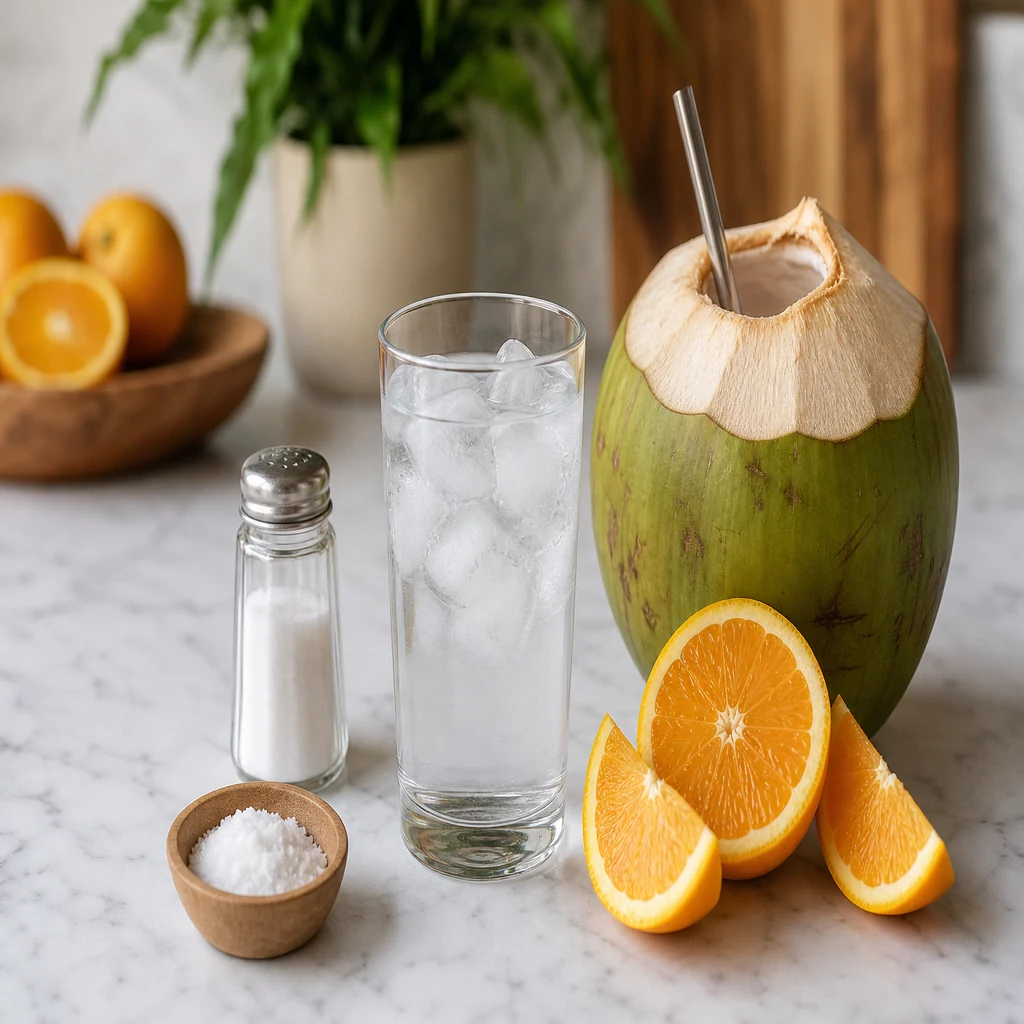
Reach for electrolytes when you exercise longer than 60 minutes in the heat, sweat heavily, or notice salt stains on your clothing. Coconut water, diluted sports drinks, or homemade mixes with a pinch of salt and citrus can help. Avoid overdoing sugary drinks; they can upset your stomach and add empty calories.
Signs You May Need Electrolytes
- Muscle cramps during or after heat exposure
- Headache that does not improve with water alone
- Lightheadedness after standing up quickly
- Long workouts or outdoor labor in direct sun
Hydration Tips for Outdoor Workouts and Active Days
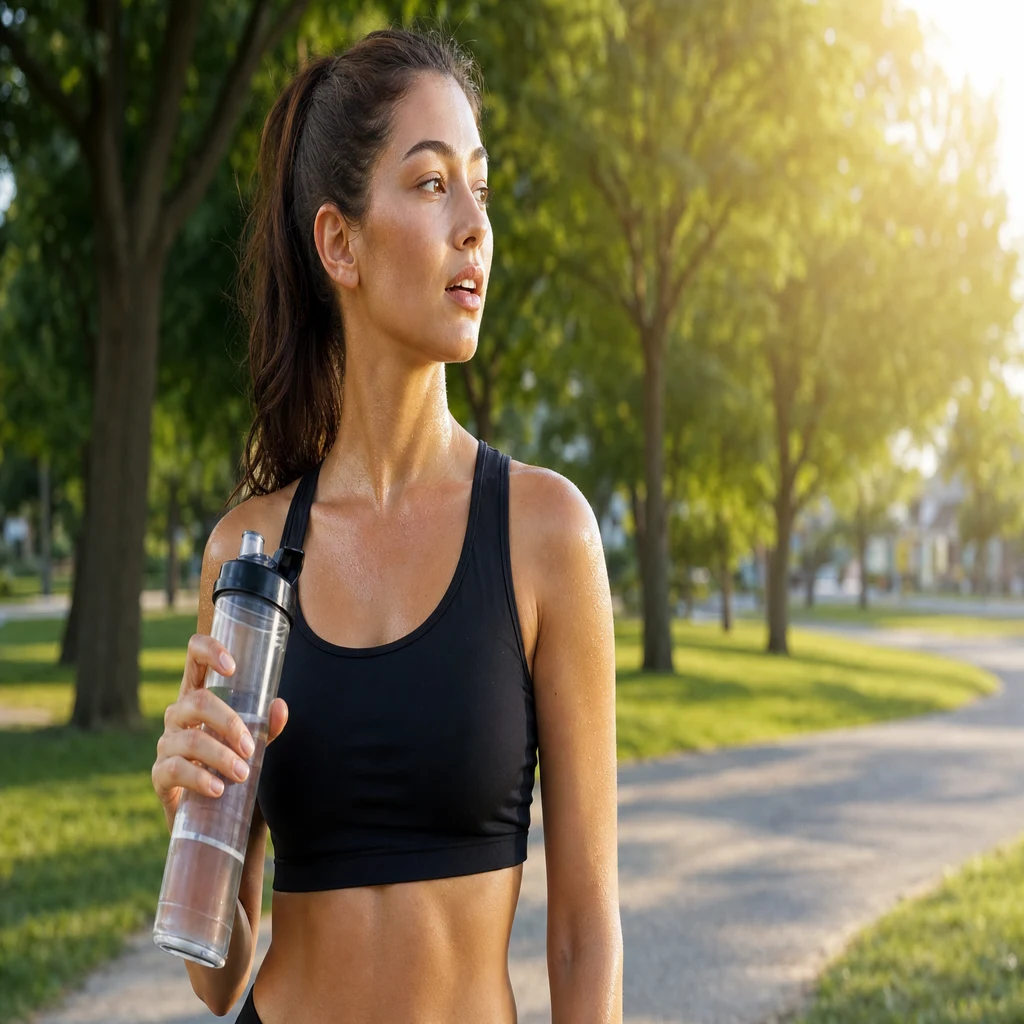
Exercise in summer heat demands a plan. Start hydrated before you lace up your shoes—drink 16 to 20 ounces of water in the two hours before a workout, then another 8 ounces 15 to 30 minutes before you begin. If you enjoy morning workouts, hydrate as soon as you wake up since you lose fluid overnight.
During activity, sip every 15 to 20 minutes instead of chugging large amounts at once. Afterward, replace roughly 16 to 24 ounces of fluid for every pound lost on the scale (if you weigh yourself before and after). Pair fluids with a light snack if your session lasted longer than an hour.
Scheduling cardio during cooler hours helps, too. If you follow at-home cardio routines, keep a bottle nearby and take breaks between intervals—even indoor sessions can leave you dehydrated if the AC is blasting dry air.
Pre-Hydration Checklist for Hot Days
- Drink 16 oz of water within two hours of outdoor activity
- Pack an insulated bottle with ice for longer outings
- Wear breathable fabric and a hat to reduce heat stress
- Plan rest breaks in shade every 30 to 45 minutes
- Skip intense training during peak afternoon heat when possible
Eat Your Water: Hydrating Foods and Drinks
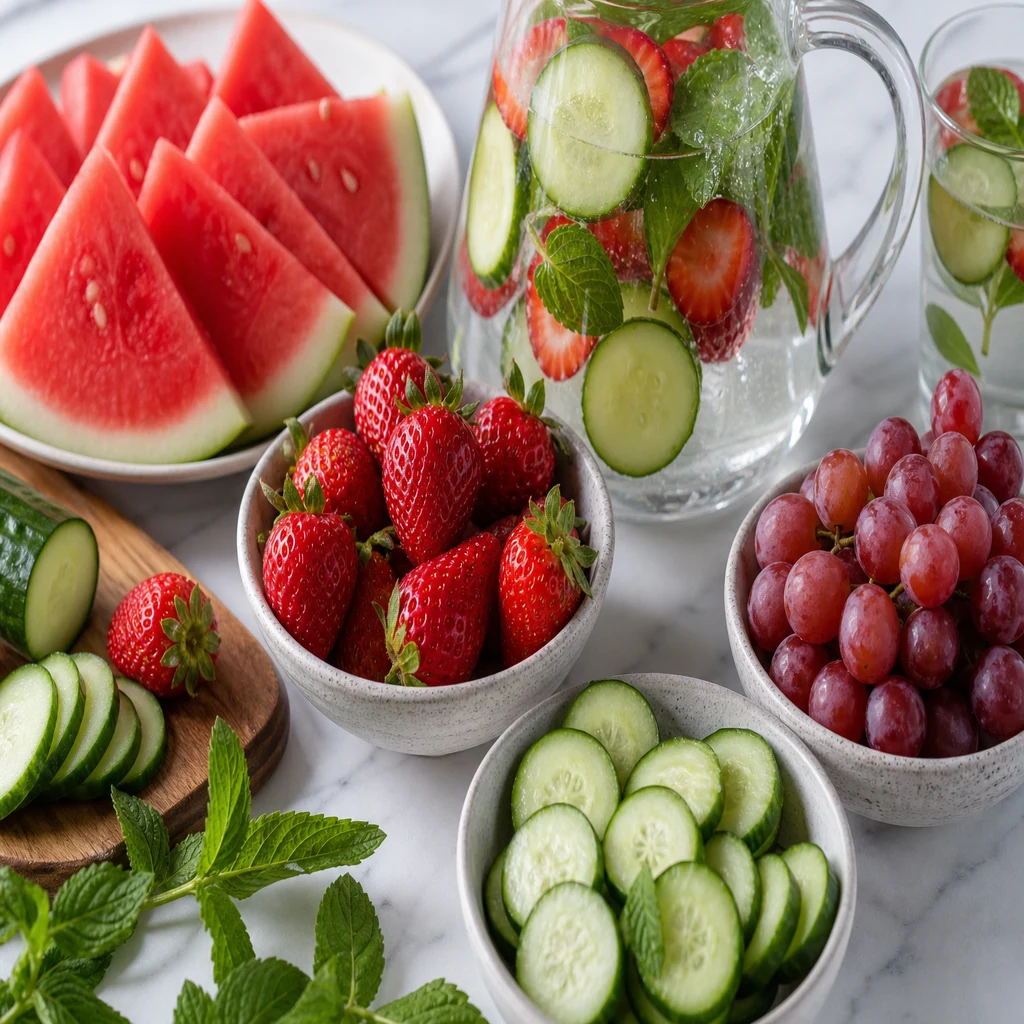
Foods with high water content count toward daily hydration. Watermelon, cucumbers, strawberries, oranges, lettuce, and yogurt all deliver fluids plus fiber and nutrients. For more ideas, browse our guide to water-rich foods for summer.
Homemade infused water keeps plain H2O interesting—try cucumber-mint, berry-basil, or lemon-ginger combinations. If you want ready-to-sip options for gatherings, these refreshing summer drink recipes offer flavor without relying on heavy sugar.
Smart Summer Sipping Habits
- Front-load fluids in the morning before heat peaks
- Alternate alcoholic drinks with water at barbecues and parties
- Keep cut fruit in the fridge for easy snacking
- Choose broth-based soups or gazpacho on scorching days
Hydration and Skin Protection Go Together
Hot weather affects your skin as much as your muscles. Sun exposure increases water loss through the skin barrier, and sunburn can raise your body temperature and fluid needs. Drinking enough water supports skin elasticity, but it does not replace sunscreen.
Combine steady hydration with a solid SPF routine—especially if you reapply after swimming or sweating. Our sweat-proof summer SPF guide walks through reapplication tips that pair well with active, hydrated summer days.
12 Practical Summer Hydration Tips for 2026
- Carry a reusable bottle everywhere and refill before it is empty.
- Set phone reminders to drink every 90 minutes on busy days.
- Drink a glass of water with every meal and snack.
- Choose water first; save sweet drinks for occasional treats.
- Add electrolytes during long outdoor workouts or heavy sweating.
- Eat hydrating produce at lunch and dinner.
- Limit alcohol and excess caffeine on the hottest days.
- Weigh yourself before and after long workouts to estimate fluid loss.
- Keep cold water in the fridge door at eye level.
- Offer water to kids and pets on the same schedule you use for yourself.
- Monitor urine color as a quick hydration check.
- Seek shade and rest if you feel dizzy, nauseous, or confused—those may signal heat illness.
When to See a Doctor
Most dehydration resolves with rest, fluids, and cooling down. Call a healthcare provider or seek urgent care if you experience confusion, fainting, rapid heartbeat, no urination for eight or more hours, or vomiting that prevents you from keeping fluids down. Heat stroke is a medical emergency—call 911 if someone stops sweating, has a very high temperature, or becomes unresponsive.
Frequently Asked Questions
How much water should I drink in summer?
Most adults need 8 to 12 cups of total fluids daily, plus extra for heat and exercise. Add about one to two cups per hour of moderate outdoor activity, and adjust based on sweat rate and urine color.
Is it possible to drink too much water?
Yes, though it is uncommon. Overhydration (hyponatremia) can occur when large amounts of plain water dilute sodium, especially during endurance events. Balance water with electrolytes during long, sweaty activities.
Do coffee and tea dehydrate you in summer?
Moderate caffeine contributes to your daily fluid intake for most people. Very high doses may have a mild diuretic effect, but your morning coffee does not cancel out hydration—just pair it with extra water on hot days.
What are the best drinks besides water?
Unsweetened sparkling water, herbal iced tea, coconut water, and lightly salted homemade electrolyte drinks work well. Milk and smoothies also provide fluids plus protein and minerals.
How can I tell if I am dehydrated?
Watch for thirst, dry mouth, headache, fatigue, dark urine, and muscle cramps. In children and older adults, dehydration can show up as confusion or irritability before intense thirst appears.
Should I drink sports drinks every day in summer?
No. Sports drinks are helpful during prolonged sweating or intense exercise, but daily use adds sugar and sodium you may not need. Plain water and whole foods cover most routine summer hydration.